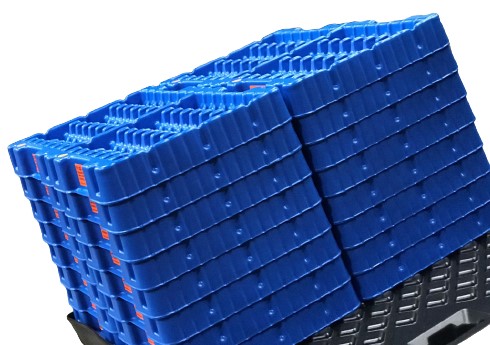
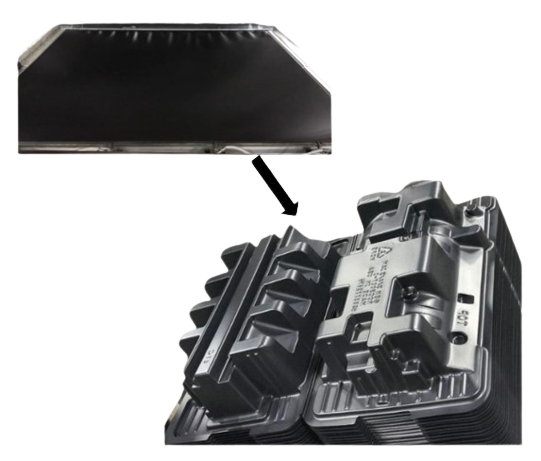
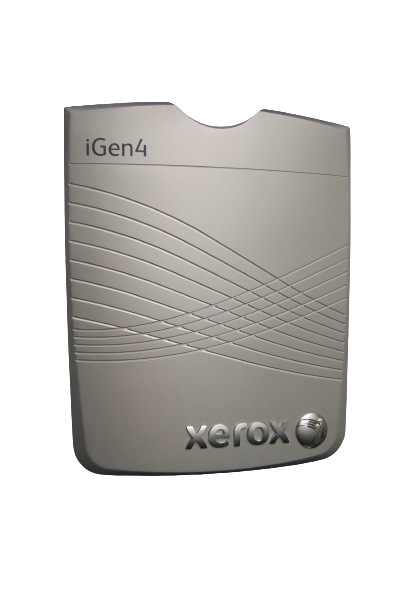
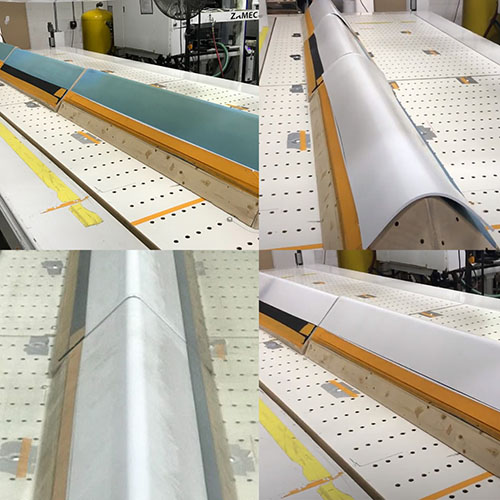
Thermoforming is a process where an extruded sheet of plastic is heated to a specific forming temperature, formed to the shape of either a female or male mold and then trimmed to fit the desired, detailed finished product. It involves far less tooling and investment than other plastic molding processes, making it an advantageous means of production.
Bo-Mer delivers cutting-edge services across diverse industries, catering to everyone from major corporations to local mom-and-pop shops. No job is too big or too small for our expert team.
Custom Thermoforming
Thermoforming is a process where an extruded sheet of plastic is heated to a specific forming temperature, formed to the shape of either a female or male mold and then trimmed to fit the desired, detailed finished product. It involves far less tooling and investment than other plastic molding processes, making it an advantageous means of production.
Bo-Mer has been striving to find the most effective ways to serve our customers since 1946. This is where our vacuum forming services come into play. By providing this option for our customers, we can offer lower costs and faster results, due to superior production variables.
Pressure forming is a more advanced form of vacuum forming. The mold creates the desired shape with the force of a vacuum on one side of the sheet and compressed air pressure on the other. Pressure forming can produce the fine detail that injection molding can, however it is done at a fraction of the cost.
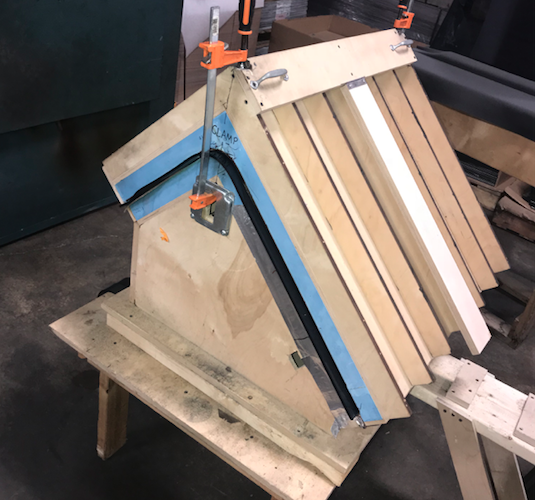
Membrane press forming may be considered a type of “drape” forming, however this process requires the use of a vacuum. In our case, we heat a sheet of material, drape it over a mold which is usually made of wood, epoxy, or aluminum and then a vacuum is pulled between the mold, which has the material and the membrane on it. As the vacuum is pulled, the membrane is able to push the material in the configuration of the mold.
Unlike most thermoforming processes, drape forming does not stretch the plastic during the formation of the part. A sheet of heated extruded plastic is manually draped over a mold to create the desired shape without the use of a vacuum. The mold is usually a felt lined wood or epoxy board with a matched upper and lower “clamshell” type of mold.
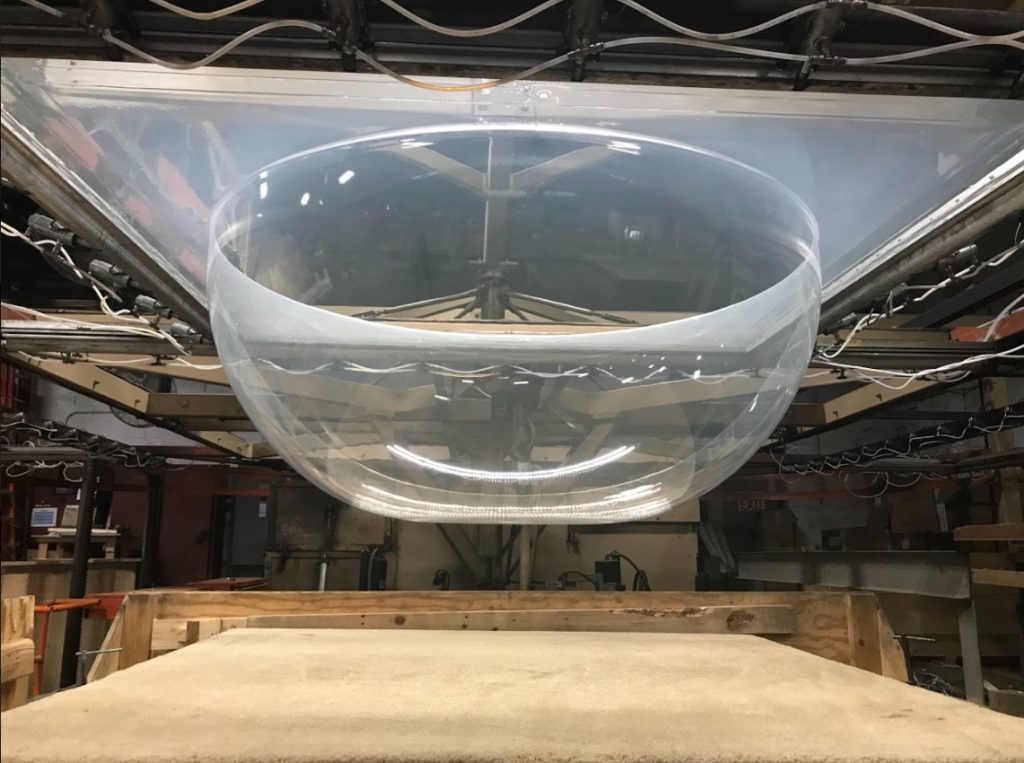
We tend to use the free forming process on jobs that call for the clarity of the product to be a top priority. This process allows us to concentrate on the clarity of the material because the material never actually touches the mold as it is formed, it is sucked down into an open mold by a vacuum to its desired shape.
We’ll sit down with you and review your design and project scope and goals. We’ll help you refine your design and your CAD files to assure the manufacturability at the most economical cost. We ensure there is a plan in place to make the manufacturing process seamless.
Materials selection
Our experts will help you choose the right plastics for your job. We want you to be happy with both the function and aesthetics of the final product.
Tooling
We create a mold from your design. Depending on the volume and complexity, various medias are looked at for tooling, ranging from wood and epoxy boards to fabricated or cast temperature-controlled aluminum. When fabricating your mold, our goal is to include as many individual parts into the mold as we can, to reduce the end cost to our customers.
Thermoforming
When the mold is complete, it’s time to bring your project to life. We heat the plastic chosen for your job to a pliable temperature and then use vacuum and possibly air pressure to shape the plastic to your mold. Once the plastic has cooled, we remove from the mold and trim any excess material.
Value added assembly
Often times after a customer’s plastic project is thermoformed and trimmed, the design requires additional assembly services. We offer a plethora of secondary manufacturing options so you can work with a single partner to bring your project to life.
What are the advantages of Thermoforming?
Custom Thermoforming vs Injection Molding:
Custom thermoforming has a much lower initial tooling cost than other plastic processes, like injection molding. Quick turn prototypes in an economical fashion.
Custom Thermoforming vs Sheet Metal Fabrication
Custom thermoforming has a much lower initial tooling cost than other plastic processes, like injection molding. Quick turn prototypes in an economical fashion.
Types of Thermoforming Offered at Bo-Mer
Our customers are who make us a success. We’ve been fortunate to work with some fantastic minds in the innovation and manufacturing industry.